Egypt
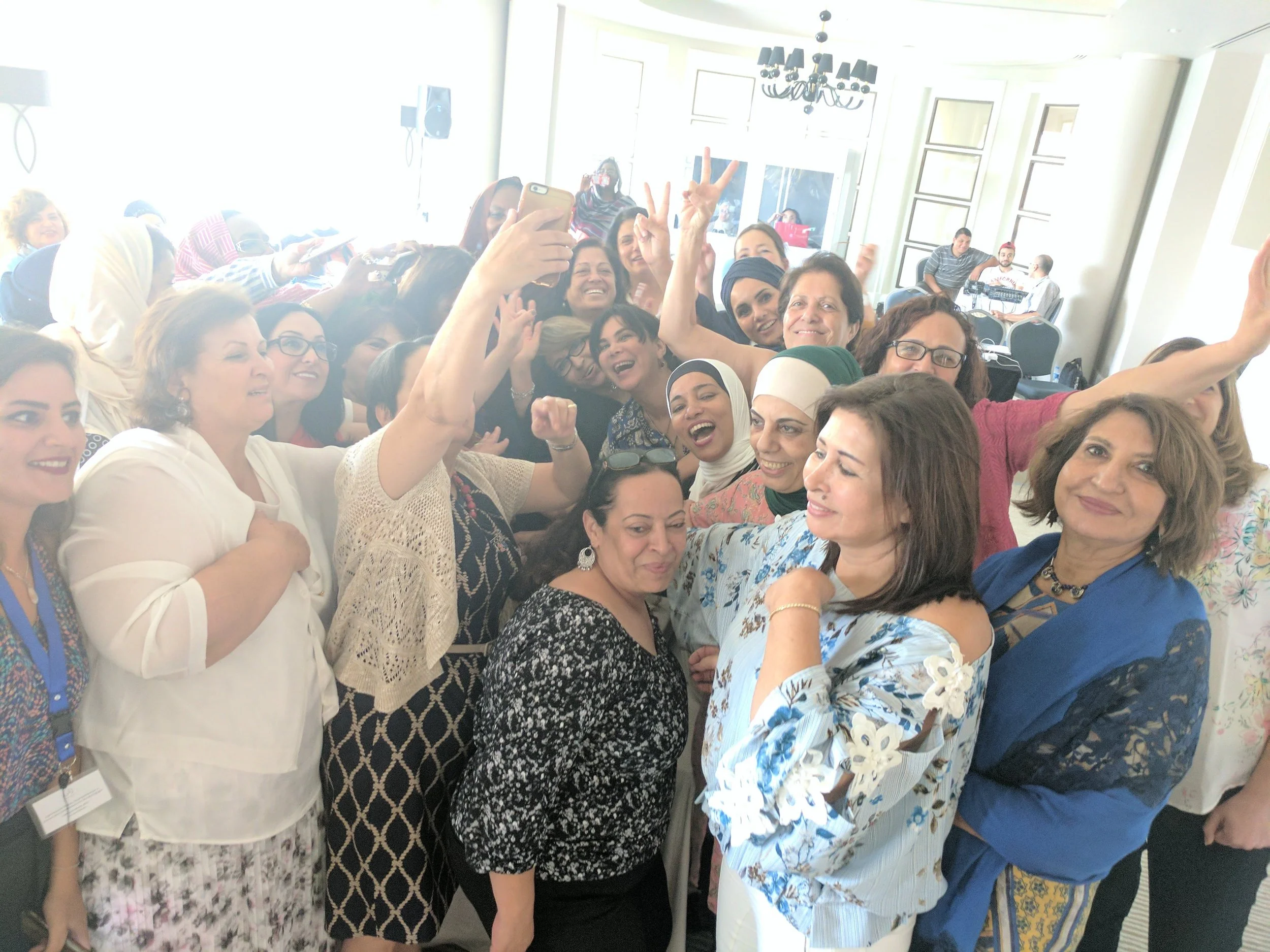
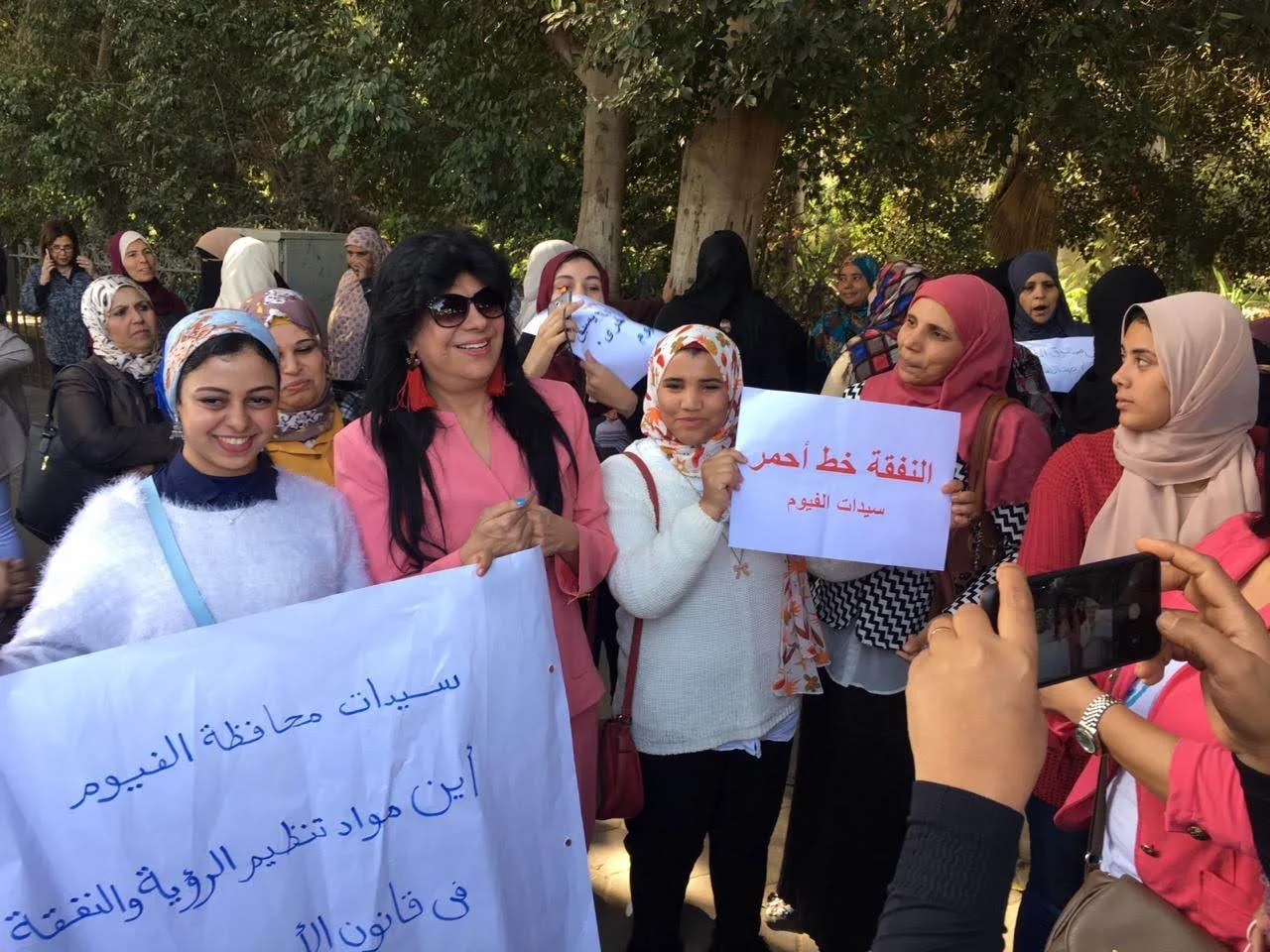
Women’s activism in Egypt ensured significant gains for the rights of women and girls, securing 19 articles relevant articles in Egypt’s new constitution. In order to make those rights a reality, are partners are working with great innovation to challenge the cultural factors behind violence against women and girls, from street harassment to female genital mutilation.
Karama in Egypt
-
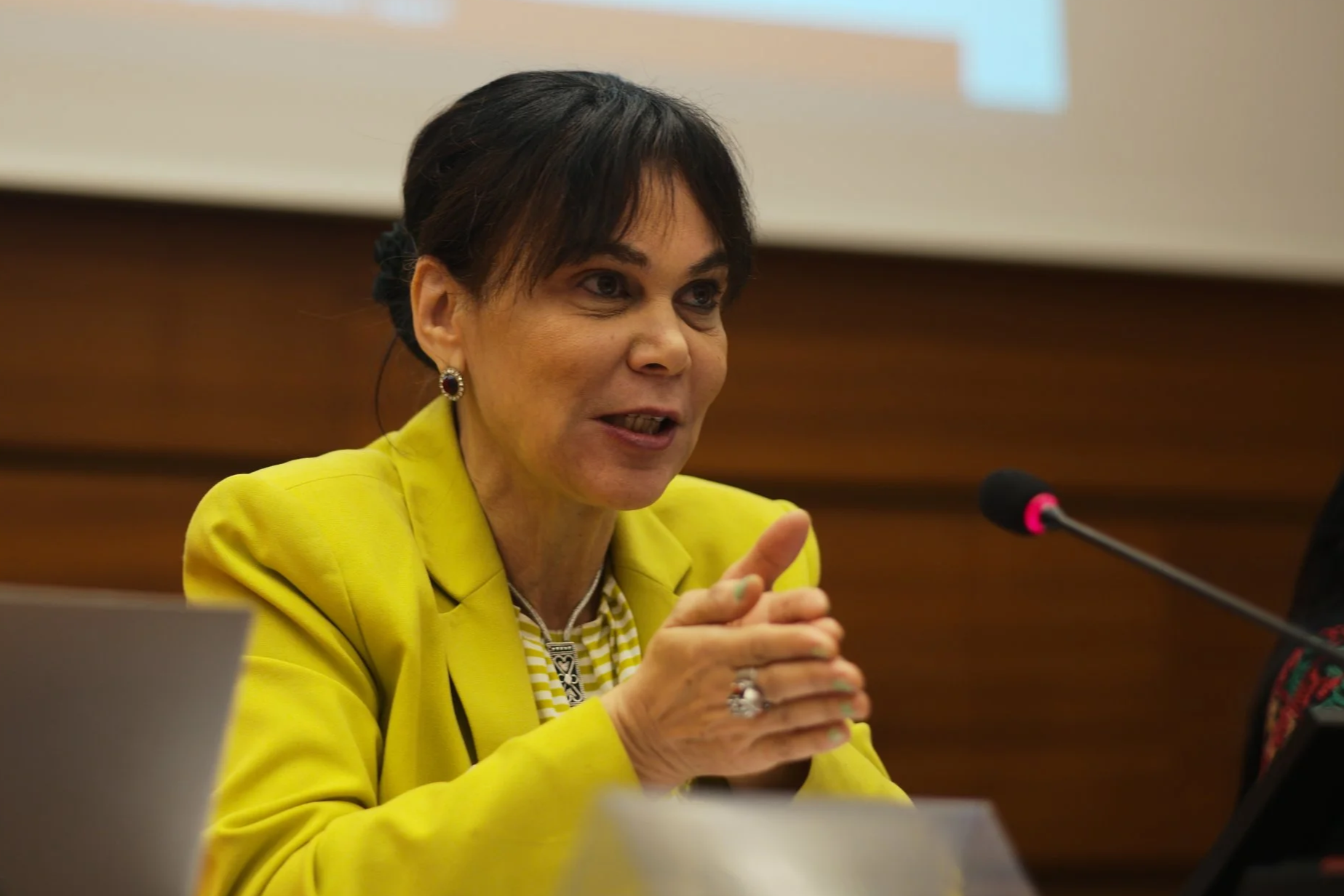
Azza Kamel
A poet, author, and activist, Dr Azza has adopted many tools to address inequality and injustice.
-
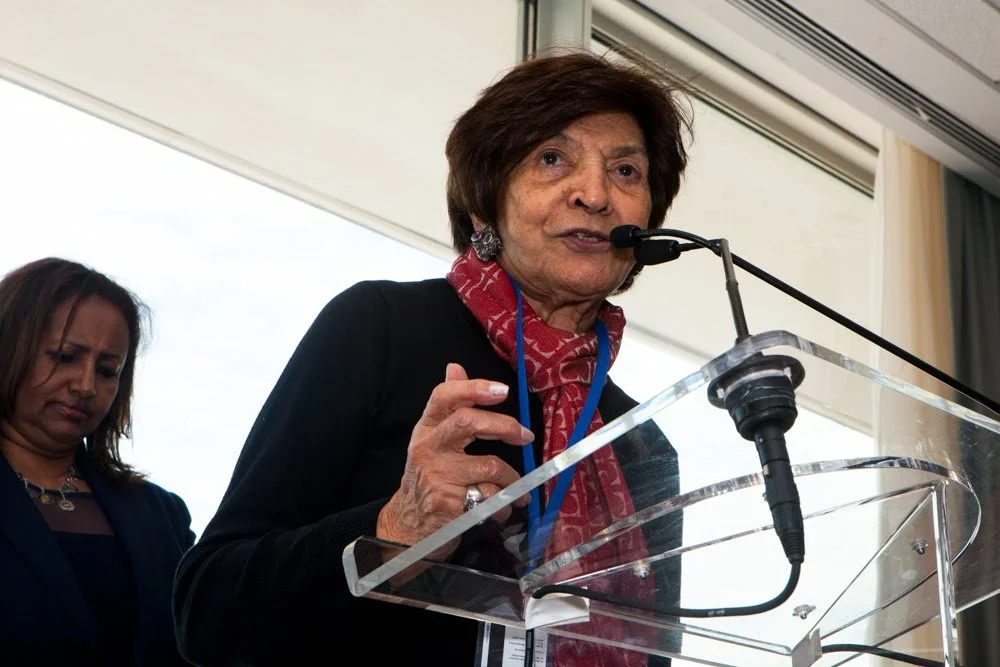
Hoda Badran
One of the Arab region’s most respected figures in women’s activism, Dr Hoda Badran played a key role in the engagement of the region’s women’s civil society at the Beijing conference in 1995.
-
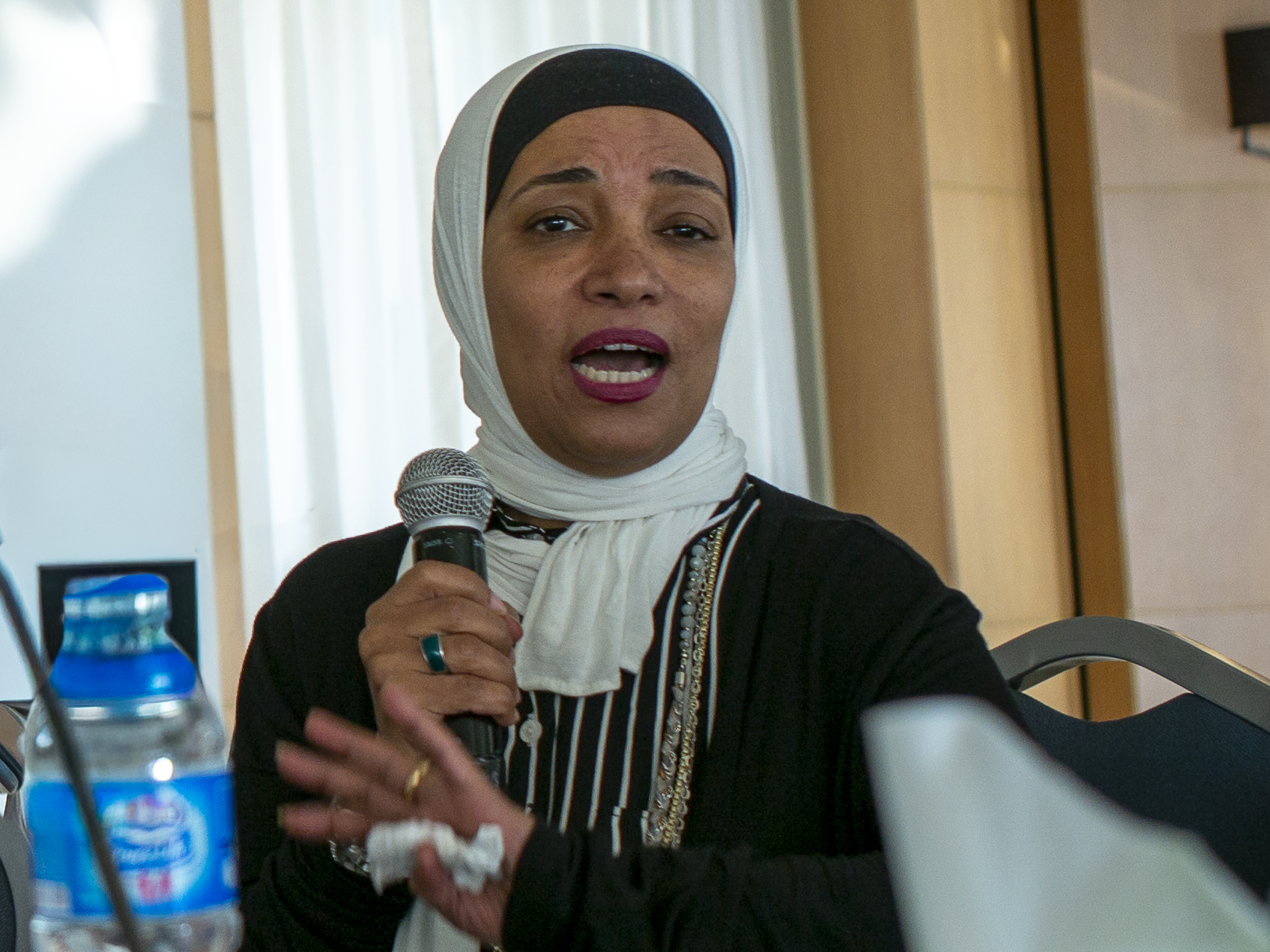
Hala Abd El Khader
A former journalist, Hala’s has led pioneering outreach work on women’s rights with religious leaders. That work has built bridges and worked to address the cultural underpinnings of discriminatory practices.
-
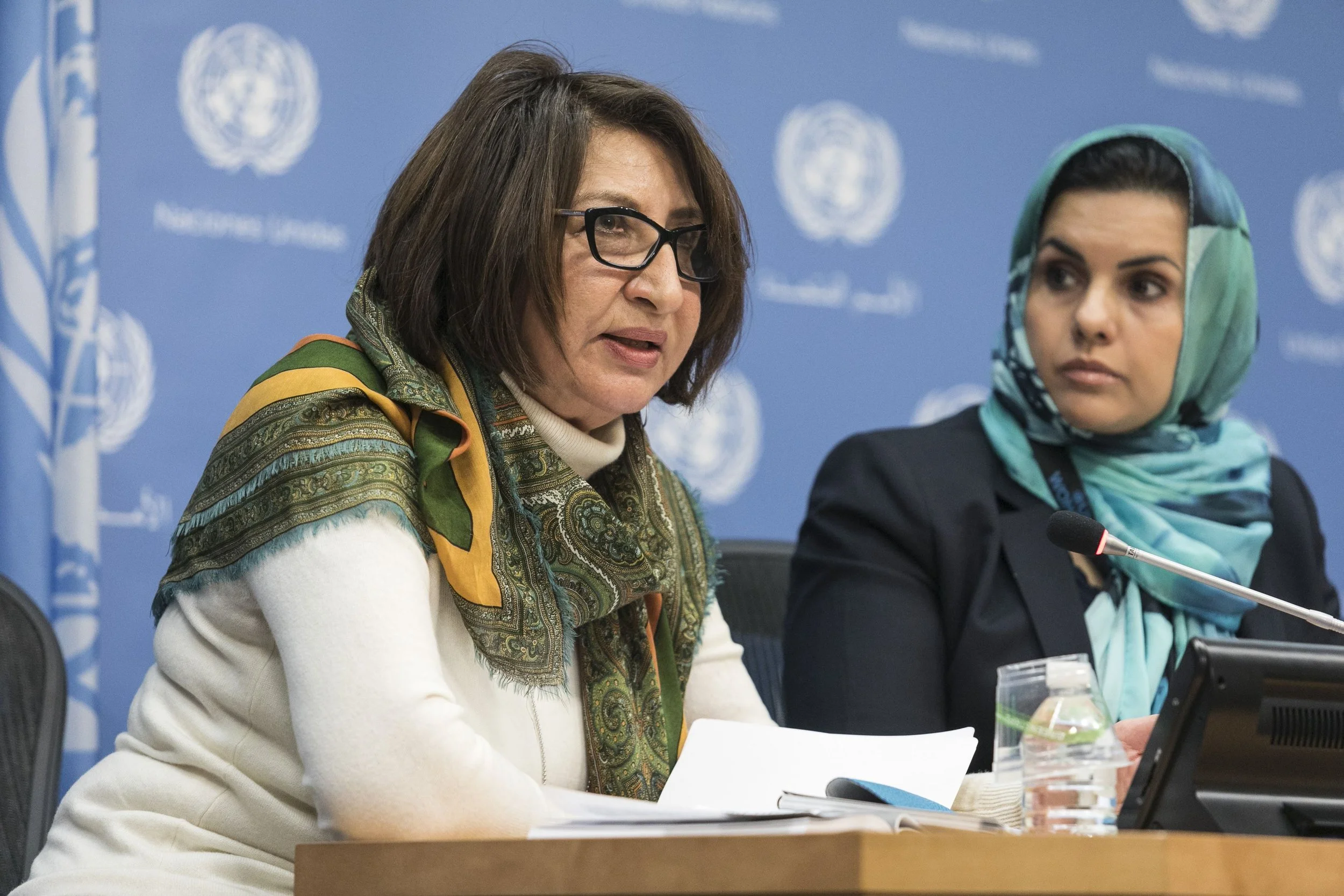
Fatma Khafagy
Having worked nationally as Gender Equality Ombudsman, and internationally for organisations including UNICEF, Dr Fatma has remarkable perspective on activism in the region. Her current work includes working on feminist climate justice.