
UNGA80 - Women have localized, humanized, and feminized Security Council Resolution 1325
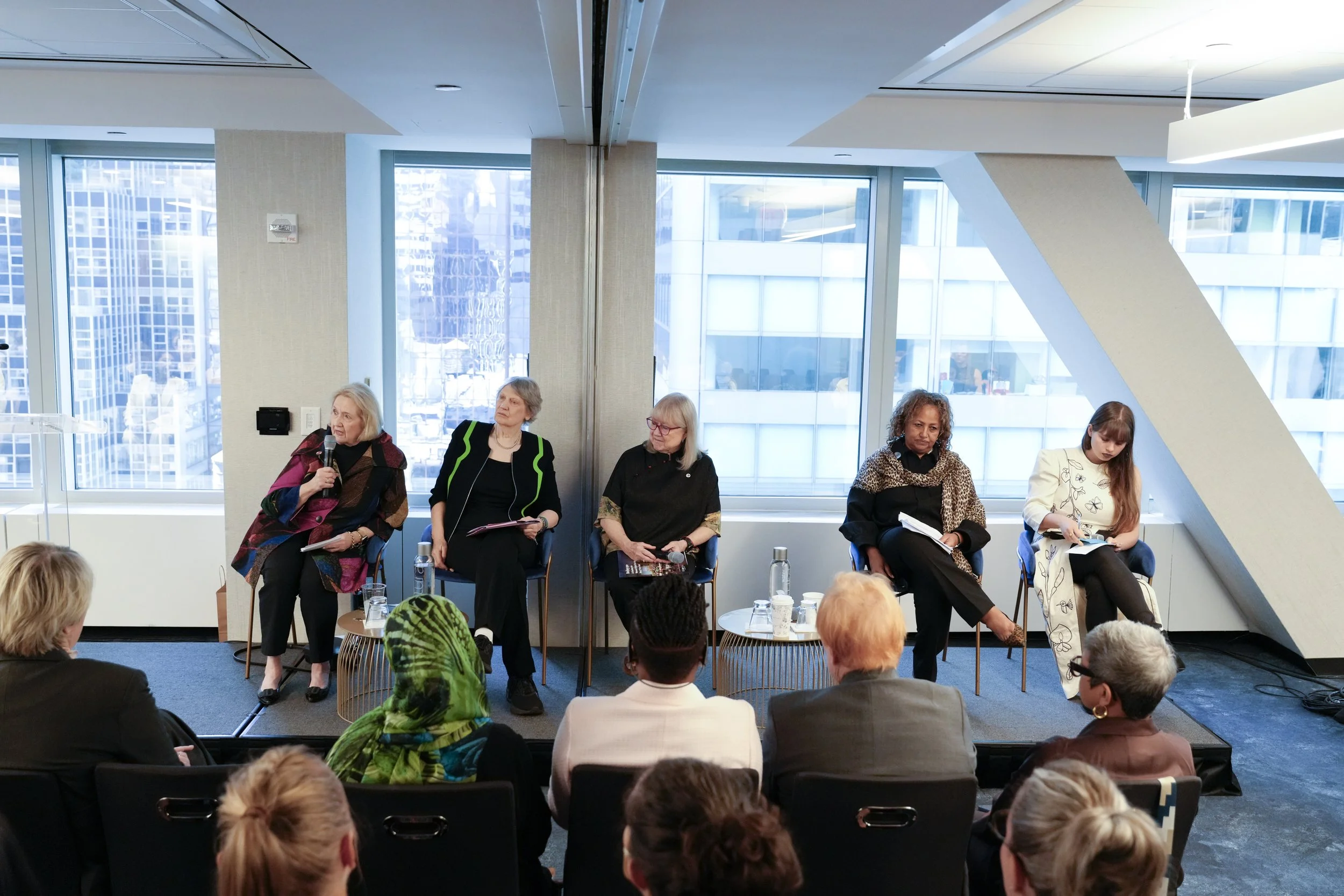
Hibaaq Osman (second from the right) on the panel at UN Women Leaders Network event at UNGA80. Photo: UN Women/Jennifer Graylock
As world leaders met in New York as part of the 80th United Nations General Assembly (UNGA80), Hibaaq Osman has emphasized that the women, peace and security agenda continues to be led by women for women and girls.
Speaking at the Women's Leadership for Peace event hosted by UN Women, Hibaaq looked forward to the upcoming 25th anniversary of the agreement of UN Security Council 1325 on women, peace and security. Her remarks reflected on the work still to do to properly implement the agenda, and the stark reality for women and girls affected by conflict - not least those women and girls in Gaza experiencing a genocide.
Noting that women, peace and security was an agenda led by women activists and taken by them to the UN Security Council, Hibaaq emphasized the further development since 1325 was passed. The important lesson, she said, was that women have reasserted their leadership of the agenda; women have ‘localized, humanized, and feminized the agenda’ in their own communities and contexts.
What has been missing from the agenda, and one of the greatest barriers to its implementation, has been the lack of accountability. Leaders must be accountable to their community, particular in relation to implementation of their own commitments to the WPS agenda.
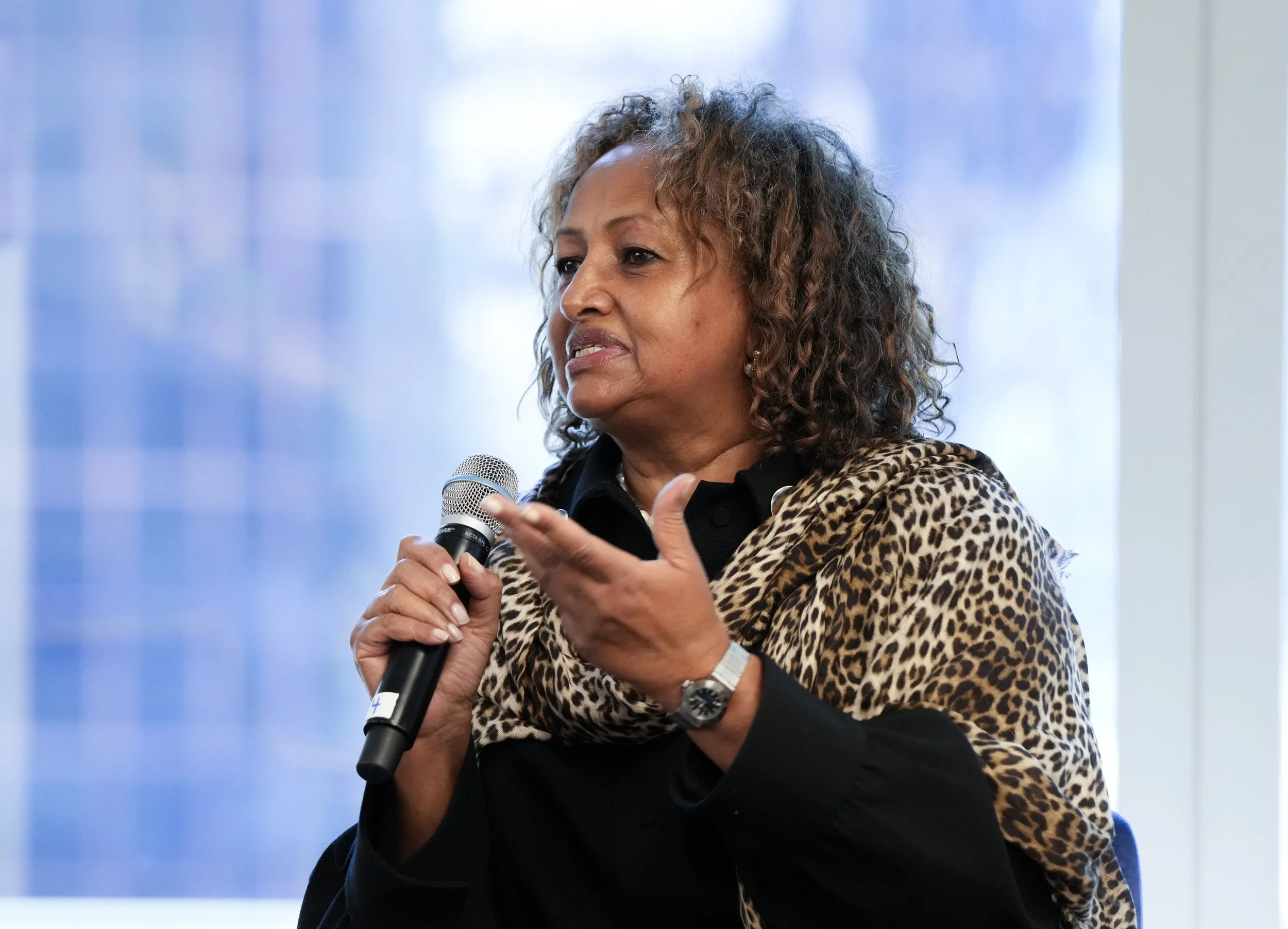
Hibaaq Osman speaking at the UN Women event in New York. Photo: UN Women/Jennifer Graylock
Speaking as a member of the UN Women Leaders Network, Hibaaq stated that the continued marginalization of women in leadership was closely linked to the global decline in peace. Women’s participation has been a key issue discussed again and again at global level, yet it is still a struggle to ensure that peace processes are inclusive. More often than not, women are not participating as equals at peace negotiations.
We have long been aware of what research tells us – that inclusive processes are more likely to lead to lasting peace – but we are still fighting a losing battle. Conflict parties have also learned to treat women’s participation as a box-ticking exercise. Hibaaq argued that globally, we have lost sight of one of the pillars of the WPS agenda: prevention of conflict. Women not only need to be at peace tables, but to be in decision-making positions before conflict becomes an issue.
Hibaaq noted that the global backlash against the rights of women and girls and decline in peace are closely related. Considering the context of UNGA80, Hibaaq pilloried world leaders for the lack of focus on peace. She stated that the WPS agenda had provided tools to address the most pressing issues, but the failure to make progress has created a crisis of confidence and hurt the very cause of multilateralism.
The corollary is that serious work to implement the WPS agenda has the potential to make progress on peace, the most fundamentally important goal of the international system.