Samia El-Hashmi
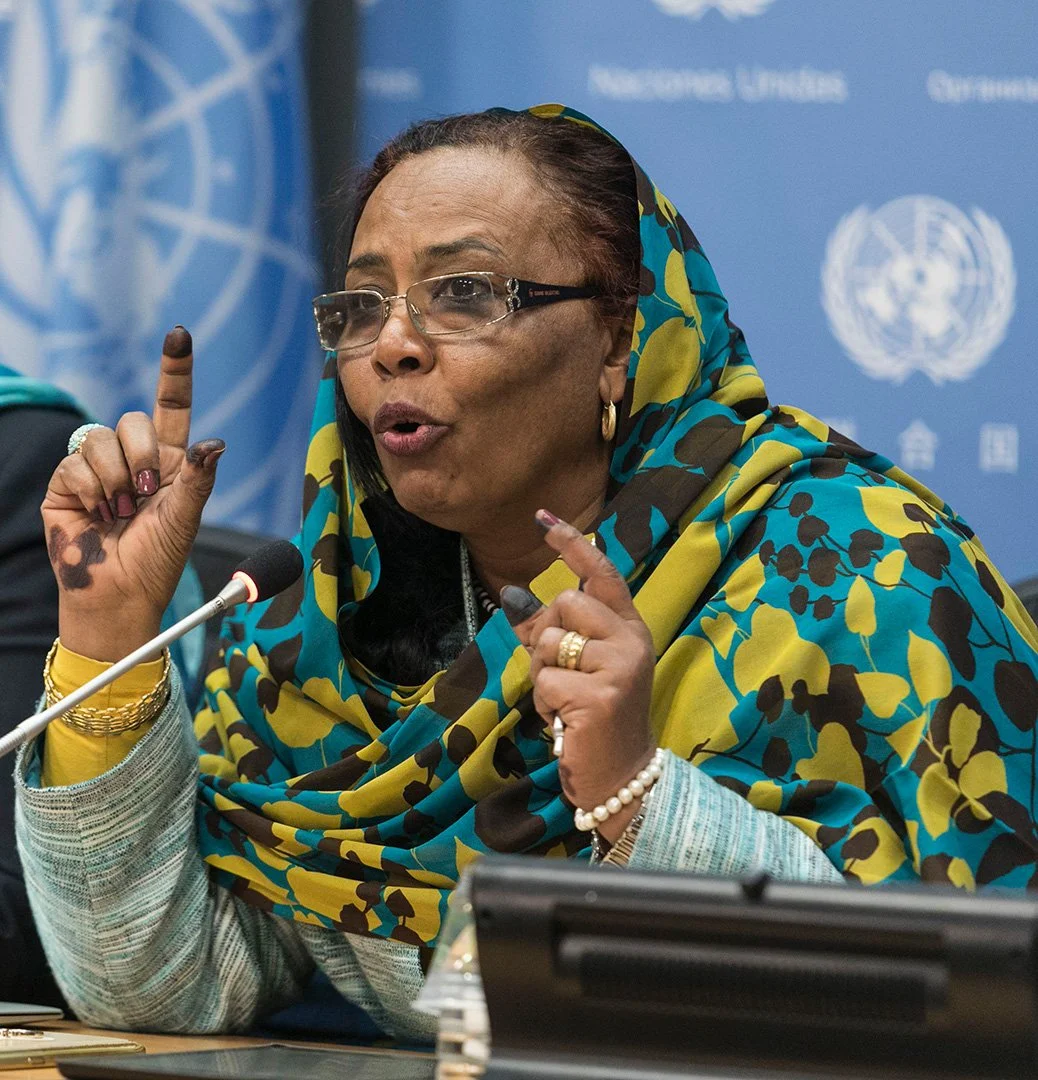
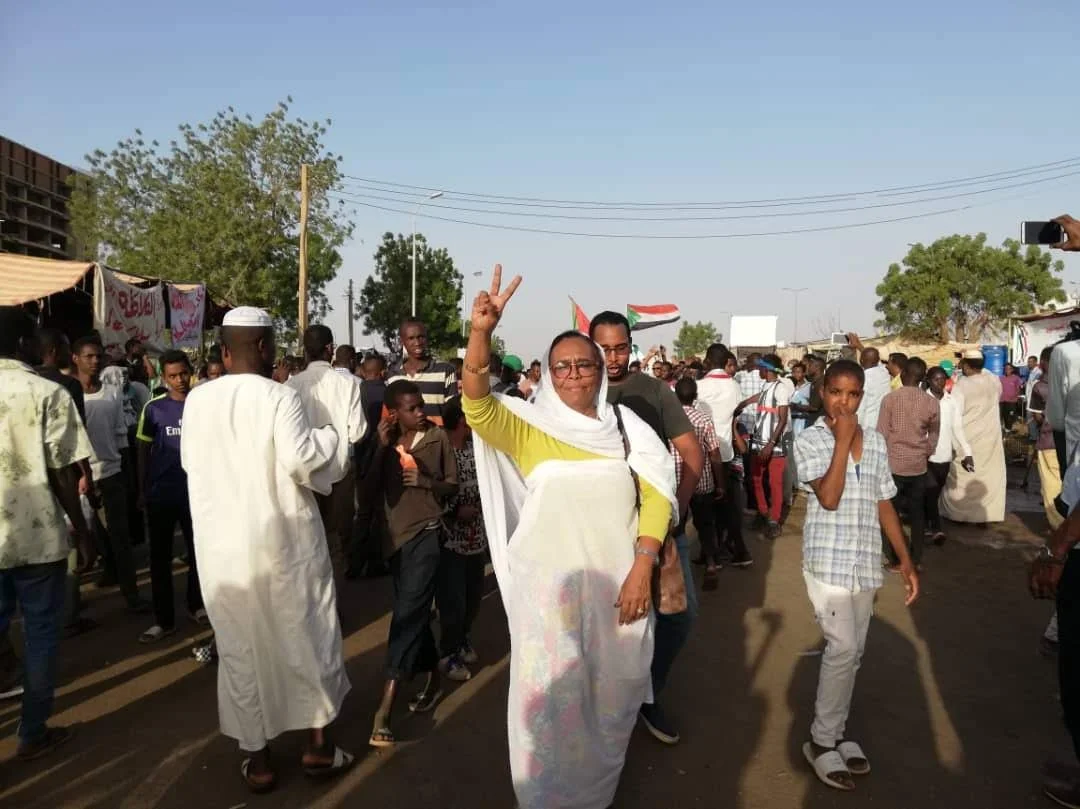
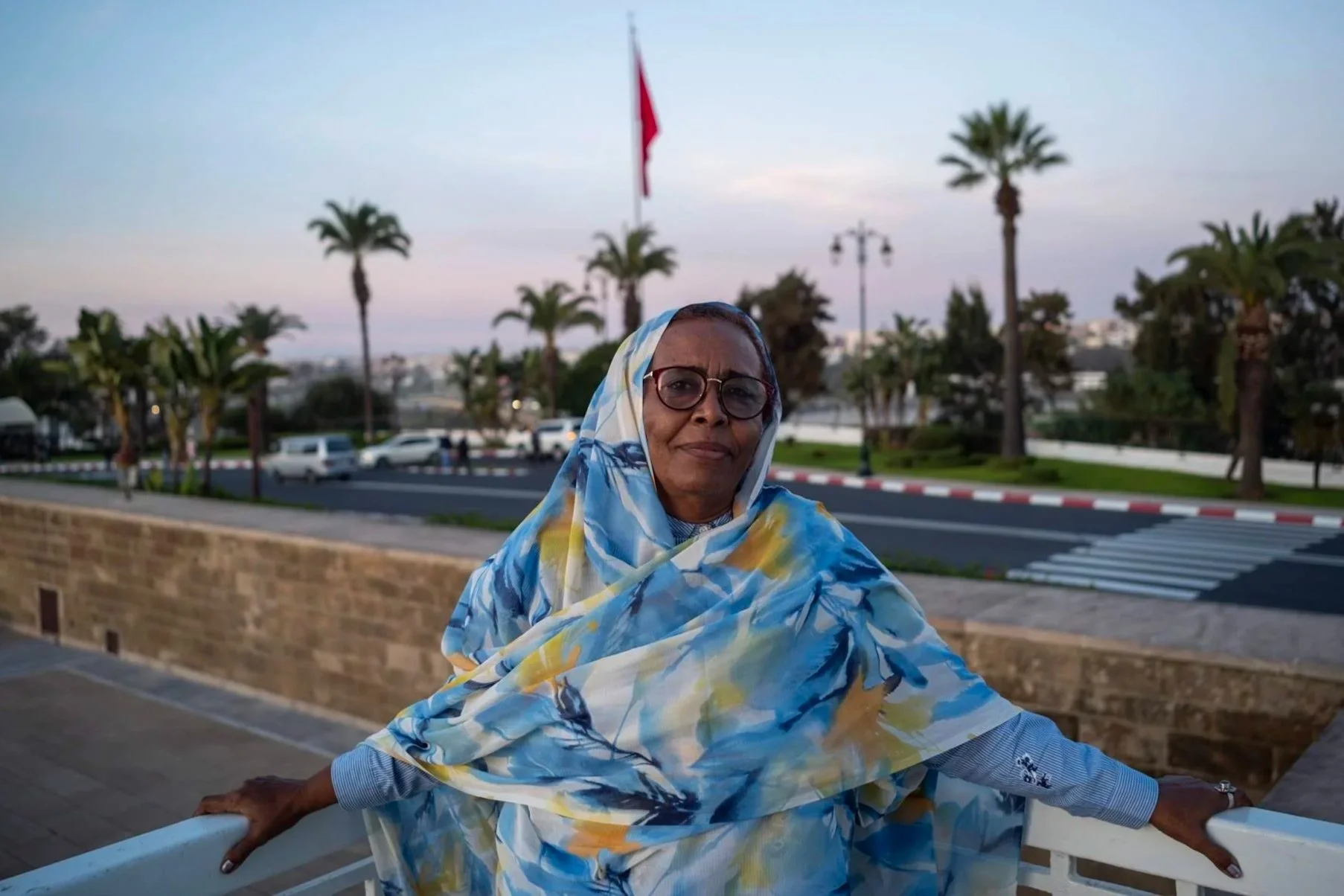
Samia has dedicated her career to helping women in Sudan navigate the country’s arcane and discriminatory family laws. A tireless campaigner, she joined millions of Sudanese women on the streets in protests that brought down the former regime. Her legal expertise saw her selected by the transitional government to finally lead amendments to the personal status law.
A Vision for Regional Solidarity
I have known Hibaaq for a long time, and the idea of Karama dates way back, all the way to Beijing in 1995. She came up with the idea of having a concrete and very focused network in our region. We talked about having SIHA - the Strategic Initiative for the Horn of Africa - which is now a very big network for the region. After some years, Hibaaq invited us to launch a regional network across the Arab world. This was to be Karama.
I remember Hibaaq invited us to Alexandria, where we met together and talked together about how this newborn idea could be developed for the benefit of the women in the region. This was 2005. We could all see the value of what Hibaaq was proposing. At the time, there wasn’t anything like it. So to have something that had a clear focus on combatting violence against women, and on the engagement of women in peace and decision making, was so important.
It was so important in particular to link those issues. To exclude women from participating is a form of violence against women.
We really congratulate ourselves, and the founder, Hibaaq, on this occasion. Now is a really important time to talk loudly about our experience.
“It was so important in particular to link those issues. To exclude women from participating is a form of violence against women.”
Taking Advocacy to the Global Stage
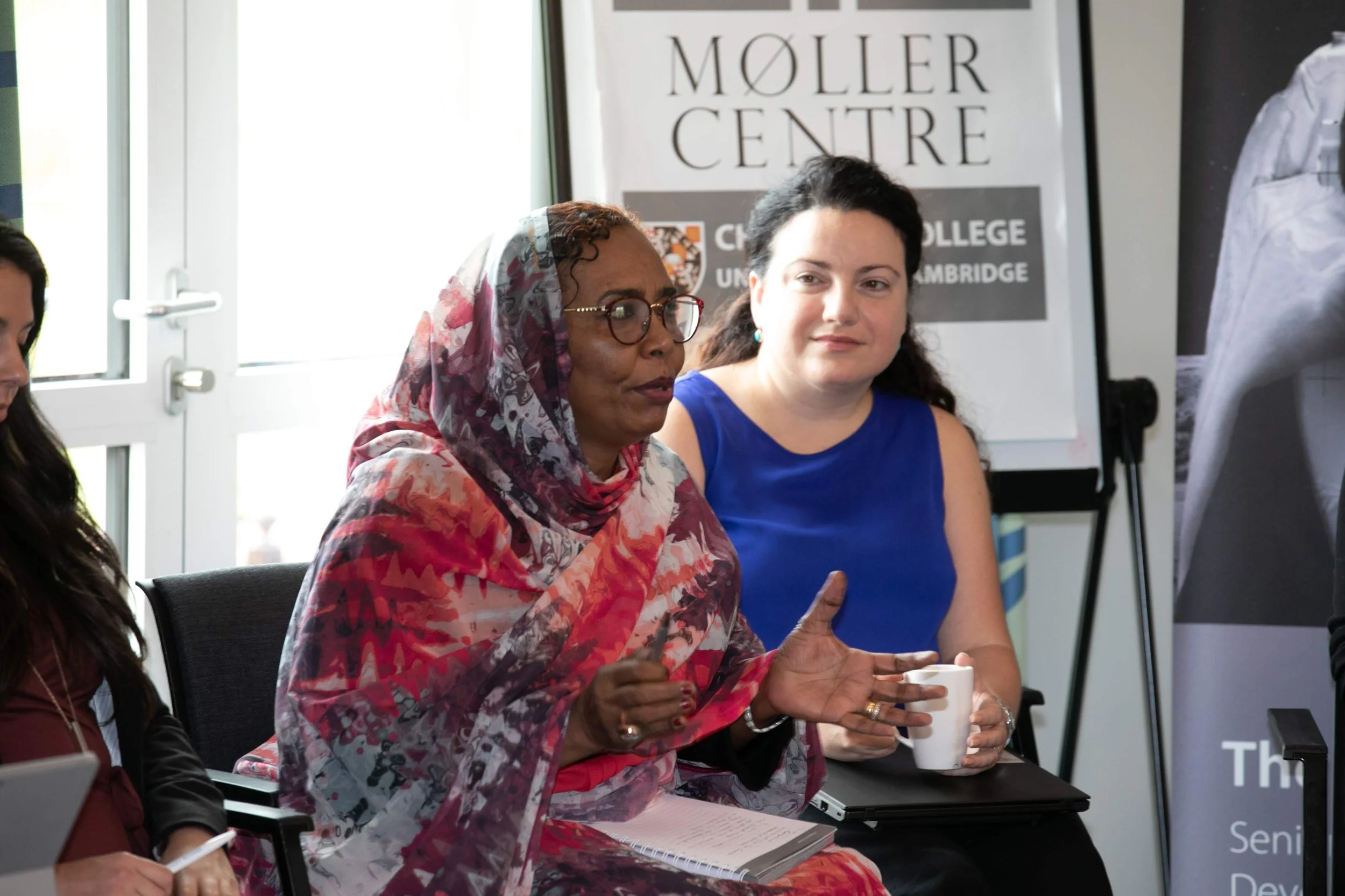
One of the most pivotal moments in my professional journey was participating as part of the Karama delegation at the annual CSW, in New York.
Karama has been a strategic force for elevating our advocacy, providing us with access to global decision makers. From the very start of Karama, it has ensured we have been able to speak to key figures, from the UN Secretary General to specialized UN bodies, such as UN Women, to the offices dedicated to combating ethnic cleansing and hate speech. We have been able to meet with representatives from diplomatic missions from all around the world, and especially missions that support the role of women, and justice over the world.
Karama’s engagement at the international level has made sure that the support we receive is substantive, not simply symbolic. It enabled us to bring the voices of women from our regions to the forefront. To present concrete recommendations on justice and accountability within influential international space.
Equally powerful has been our engagement with feminist leaders from across the globe, exchanging experiences and building solidarity. Our gathering as Karama delegations and members held a special meaning, as we felt the strengths of our network, the depth of our shared commitment, and transformative power of collective advocacy.
These moments are unforgettable, affirming that Karama, beyond being a platform for policy influence, is creating a space for connection, learning, and mutual empowerment.
This is what being part of Karama means to me.
“These moments are unforgettable, affirming that Karama, beyond being a platform for policy influence, is creating a space for connection, learning, and mutual empowerment.”
The Power of Regional Delegations
Before being part of Karama, I had never had the opportunity to attend CSW. What is so special about being part of the delegation? That we know that the members of the delegation will be prepared, we will know some of the other delegates and some will be new, but we go into it with confidence about everyone. We know they will be coming from different countries in the region, and we know that we will not have to allocate some time for our team building - our delegation is ready to go from the start. Already we have that spirit, and we just need to spend a short time with each other to discuss and agree on the issues that we are going to present.
When we have this group and we are talking about issues like the importance of engagement of women in peace and political sphere, you have this great well of experience and knowledge to draw from. When we have the opportunity to address the media in the UN press room, we amplify the voices from the Arab region, of women as a whole - it’s not only Arab women.
We talk about certain issues in countries facing conflict, like Palestine, Sudan, Libya, and Yemen. All these countries are under the spotlight of our advocacy work during CSW.
Before joining Karama, I had been lucky to participate in international conferences like AWID, the National Endowment for Democracy, Inclusive Security, which have all been very important. But participating with Karama is very special. Not just because I’m a core member of the network, but because I have seen the difference, how meaningful the participation has been.
In our delegation, it does not feel like a single event we are turning up to, it is the continuation of something we have been building through our previous delegations and previous participation.
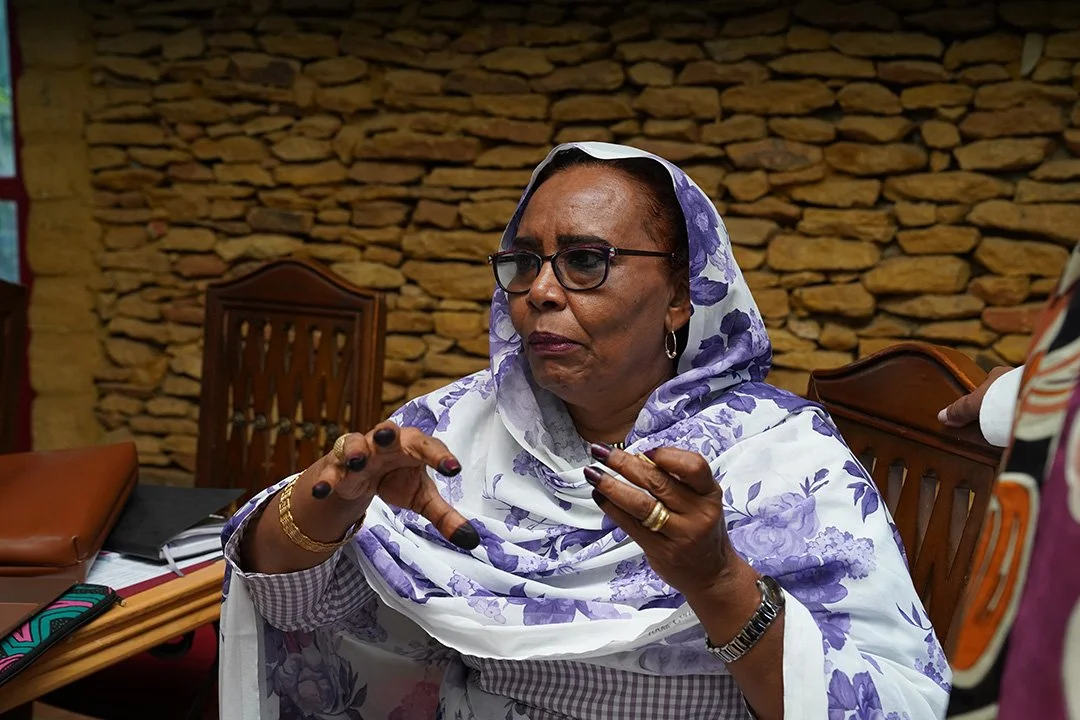
“Being part of Karama has been like a springboard for my organization, to move from local to regional and global sphere.”
Consistency is the key word in our work, and being able to rely on Karama has been so important and meant so much to my organization, Mutawinat. Our name comes from the Arabic word for working together, and being part of Karama allowed us to go from working at the local and national level to being part of a regional and global platform.
That expansion significantly enriched our work. Through Karama, our organization was able to broaden its network, engage in meaningful exchange of expertise and benefit from high-level training and exposure. This journey was not only amplifying our voices, but also deepened our capacity to advocate effectively across borders.
Being part of Karama has been like a springboard for my organization, to move from local to regional and global sphere. We were very much engaged with UN Women Headquarters, and with Sima Bahous, who we would meet with even before she was appointed Executive Director. Dr Sima was very much engaged with us to push and to influence the engagement of women in this way, I feel we contributed to some of the work that UN Women is doing right now.
Putting the issue of women in conflict on the agenda was something we really prioritised in our advocacy, it has to be one of the issues we lay time, effort and resources into.
By being able to attend CSW in 2023, I was able to meet with Alice Wairimu Nderitu, United Nations Special Adviser on the Prevention of Genocide. We managed to organize a dialogue with her office to work on Sudan. This was only weeks before the start of the war in Sudan. We kept that communication open, and because of it we managed to have a big meeting in Rwanda in November 2024 with Sudanese to introduce them to the Napoli Plan of Action on combatting hate speech. We talked about how they can use this mechanism to counter hate speech, and we now have a platform to do that as a result of that connection and that work.
Becoming part of Karama made such an impact for Mutawinat. It enabled us to be known. We were not just a local organization, our advocacy expanded and extended to regional issues and global issues as well. Through that, we have been introduced to funders, both directly by Karama and indirectly by them increasing our profile. We have been able to connect with other networks, with Yemeni women, Libyan women’s networks.
Uniting Women From Across Sudan
Karama Taking Local Organizations to the Next Level
We had a project with Karama that we want to amplify voices of women from the villages in Sudan. We convened a number of meetings and workshops with the women in their respective communities. From there, we had further meetings, and we brought them all to Khartoum - women from Darfur, from the East, from the North, across the country. At these meetings, we talked about their issues, their biases, the barriers to working together. One of the issues that the women brought up was the importance of being engaged in constitution making. They recognised that this is the base and the platform that women can demand their rights: fundamental rights, women's rights, and their priorities.
This work, these topics, this way of working was something that really began in CSW, and took this approach to how we worked in Sudan, developing our understanding of women’s priorities. Now we are trying to put these priorities of the women onto the agenda of the international community, as well as the local and national political actors in Sudan.
We have been able to say, these are the political priorities of Sudanese women, and they want not only to end the war, but to be part of any political and peace talks on the future of Sudan.
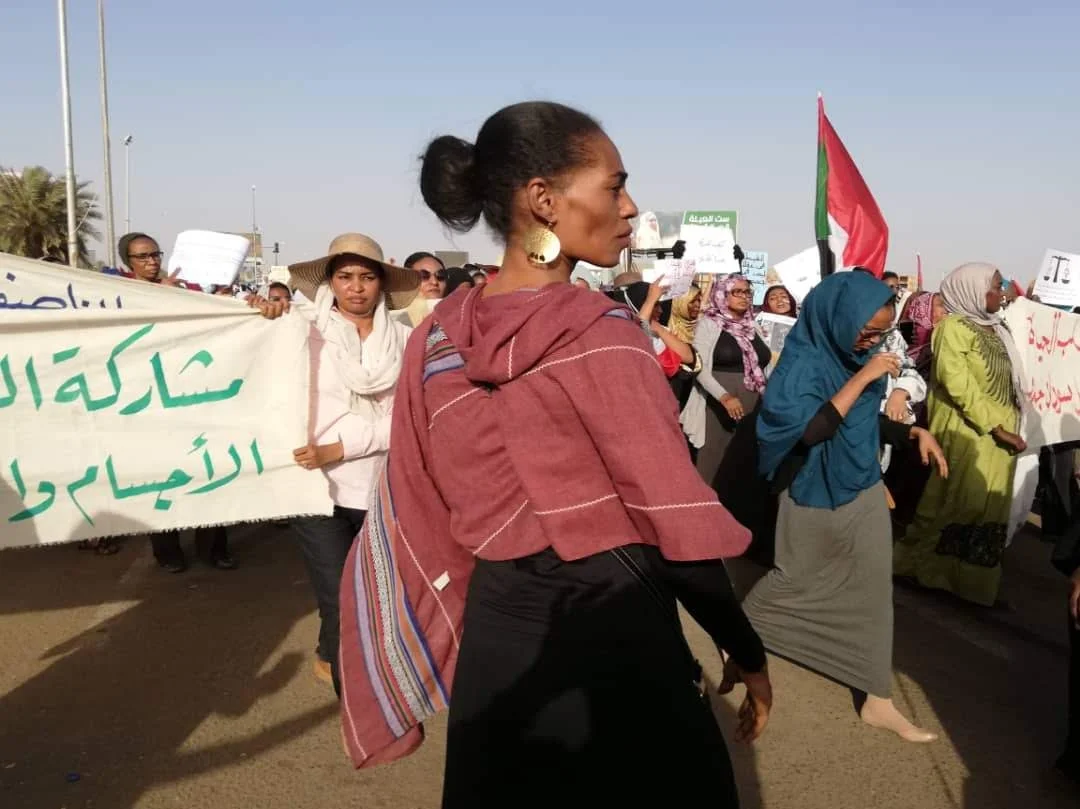
Power in women's hands
Chairing the committee to reform Sudan's personal status law
Following the Sudanese Revolution, the transitional government established a committee to draft a new personal status code for Muslims in Sudan - the legislation that covers family law for the vast majority of people in Sudan. The law covers areas including legal marriage age, divorce, child maintenance and custody rights. The minister of justice in the transitional government appointed Samia as chair of the committee. Here she explains its work.
A Transformative Mandate
I had the honor of leading the committee formed to review the 1991 personal status laws for Muslims in Sudan. This happened after the December revolution, as a response to the calls and demands of women and men.
Leading this committee was something way beyond being merely a legal exercise, it was a transformative moment, one that was rooted in the spirit of change and justice the revolution ignited. The committee was tasked with drafting a new law that would embrace progressive legal thought, align with contemporary realities, and uphold the dignity and rights of women.
The current law has many articles, and much is not even in line with the standard Islamic jurisprudence. Before the transition the legal marriage age was 10, and there are many issues with child custody and maintenance.
Bridging Legal Expertise and Community Engagement
As the committee, we brought together legal expertise, a diverse group of lawyers - both men and women, female legal professionals, civil society activists and a representative of the Attorney General responsible for the protection of women and families unit. We engaged in very serious legal analysis, comparative studies of regional and international frameworks, and inclusive consultation to ensure the law would be principled and practical at the same time. We looked closely at the laws in Morocco, Tunisia, Egypt, Saudi Arabia, and the Emirates as well.
Leading this effort returned my belief in the power of legal reform as a tool of social transformation. I will always believe that legal reform is a tool, it is a way of development and social transformation.
We also consulted with scholars, including imams and experts in personal status law and endowments (Waqf), ensuring both legal and theological depth. This allowed us to draw the best practices while remaining contextually grounded among the most significant features of the proposed law.
Key Provisions of the Draft Law
We concluded our work in 8 months, and the draft is ready, we now need political will for endorsement of this law to enact its measures. It would set the minimum age of marriage at 18 years. It would introduce mandatory medical examinations prior to marriage, establish family reconciliation committees to resolve marital disputes before resorting to court. It would raise the custody age for children to 15 years and create a dedicated alimony support fund, and introduce scientific methods for establishing paternity.
This draft law represents a bold and thoughtful step toward safeguarding the rights of women and children, while modernizing Sudan’s legal framework in line with both social realities and international standards.
To elaborate a little bit about why we engaged the Waqf endowments. These provided expertise in drafting the articles regarding maintenance, because of the establishment of the maintenance fund. This needs to be supported financially from the Zakat Chamber and the Waqf endowment chamber as well. So, they committed to support this fund so that women could ensure maintenance for themselves and for their children, without any hassle. The endowment or the court could then resort to the husband who should be responsible for that payment. What we want is to keep the dignity of women, not for them to be running for years after the maintenance they are due.
These reforms are so important for me, being a practicing lawyer. In my work I have seen that women in the family courts are suffering from prolonged procedures. The courts are so variable in terms of even knowing the procedures. My organization and my office had so many pro bono cases to really rescue women from being trapped in this circle of procedures.
So many women spent more than 5 years getting their divorce from the court. It has been a long time for me, being engaged with what are very typical violations for women. Being appointed to chair this committee to draft the new law was the culmination of my work in this area. Back in 1997, we had a project highlighting the discrimination against women under the law, and we highlighted many articles in the personal status law that needed to be reformed.
Women Leading the Revolution and Building the Constitutional Framework
There were many efforts for reform, but the political will was absent at that time. The opportunity for us finally came after the revolution. The fact that there finally was political will for change is a reflection of the role of women in the revolution. Women consisted of more than 60% of the revolution, and they were people who were on the front lines. That created opportunities beyond those primarily for women, I was also assigned to draft the trade union law, which we managed to produce also in the transitional period.
It was very significant to have my organization and other activists to be part of the committee, to bring out experience and to think of the bigger picture. We were applying the slogan ‘we think globally, and we act locally’. We managed to have that kind of thinking. There were women truly engaged in these fundamental mechanisms, not only in drafting these laws like the personal status law and the trade union law, but also in the Constitutional process as well.
The committee that drafted the interim constitution, led by the Sudan Bar Association, more than 50% of that drafting committee were women. You can see the difference that having the political will makes.
The Path Forward: Political Engagement and Influence
Our observation of the specific problems began a long time ago when we convened workshops to highlight women’s priorities and their grievances. But we believe that we cannot make this change happen unless we are engaged in the political process itself. We will not obtain anything unless political will is created and influence is applied at the top level of decision making. Some women feel strongly that they do not want to be part of the political parties, but this does not mean that they can't still be political actors. They can still work with politicians, and build the necessary influence without being members of political parties.
You can see the strength of women in Sudan through their engagement and leadership in the revolution, and now in their efforts calling for peace. This is the result of continuous work, for decades really, working with, with women, with the politicians, with the community at large. We see that now in the peace movement.
“Before the transition the legal marriage age was 10”