
#JusticeForSalwa: Hibaaq Osman on the ‘the spectacle of war’
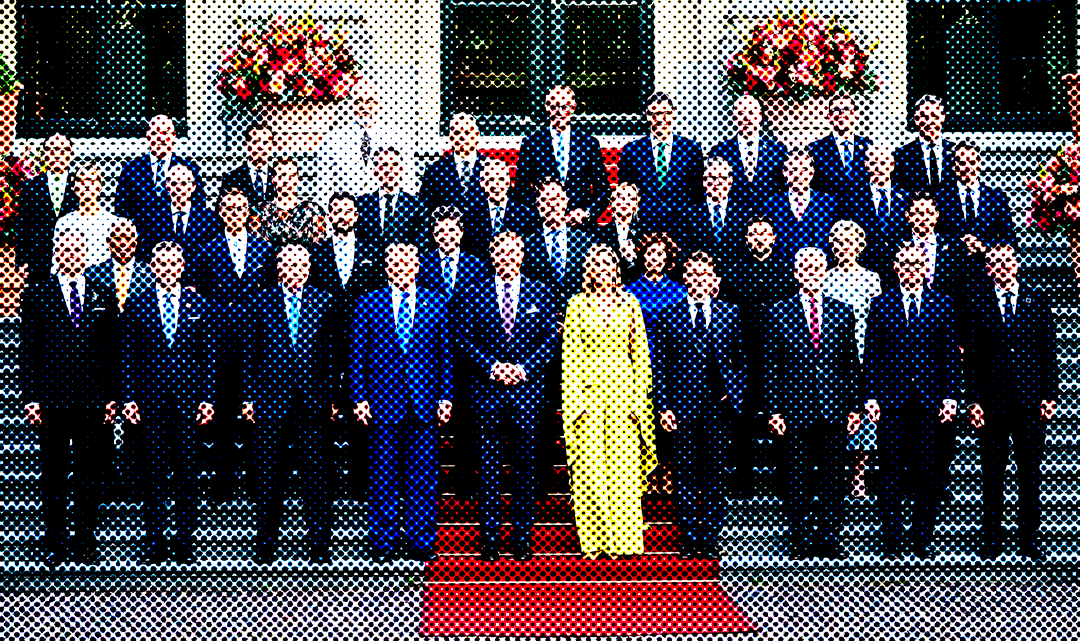
Photo: Ministry of Foreign Affairs / Bart Maat, used under CC BY-SA 4.0
Reflecting on the escalation of conflict between Iran and Israel, now joined directly by the United States, our founder explores the threat posed by militarization to the meaningful participation of women in public life. Noting that the NATO Summit coincides with the anniversary of the murder of our colleague, Salwa Bugaighis, Hibaaq’s piece explores how violence has been a tool used to clear women from the field of politics, but their inclusion is a means to center peace and justice in politics and diplomacy.
The spectacle of war: a feminist reckoning with endless conflict
From Salwa Bugaighis' message to NATO’s trillion-dollar militarization, we must learn that peace, justice, and women’s leadership can replace the politics of ruin
More than two decades from the English-language media’s shameful collaboration with a baleful US administration’s rush to war in the Middle East, I am gripped by a sense of deja vu.
In a phrase itself worn down by endless repetition, history repeats itself, first as tragedy then as farce. In 2003, we had Colin Powell humiliating himself before the UN Security Council, parading ‘evidence’ he had every reason to appreciate was false. Today, the President of the United States posts AI generated videos of himself singing versions of a Beach Boys’ song with lyrics trivialising conflict.
There is perhaps a perverse honesty to the current administration. Rather than affect concern with military strategy or material outcomes, it makes no pretensions that it values anything other than the spectacle of war and conquest.
Certainly there are fewer voices today prepared to bring the words ‘regime change’ into the discourse. When Trump does so he has been derisive of the term. Much of the success of conservative populism in the US has been based in its rhetorical break from and scorn for the neoconservatism of previous Republican presidents. In the world of ‘America first’ there is only space for illiberal intervention.
As NATO leaders meet in The Hague, its Secretary-general loudly celebrates that its members have increased defense spending by $1 trillion over the past decade. All this while a wrecking ball has been gleefully taken to aid, development and humanitarian budgets.
It is difficult to comprehend the extraordinary waste of militarization. The opportunity cost, as diplomatic, development and political solutions are discarded while other essential needs feel the squeeze of tightened spending. The ‘existential threat’ posed to efforts to address climate change. The horrific impact on the lives of every individual affected by conflict.